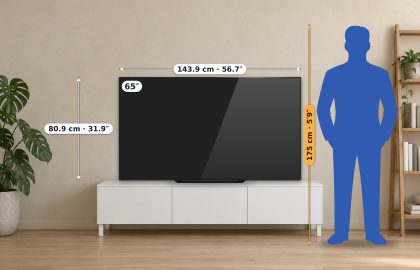
If you’ve ever looked into 4K displays, you’ve probably encountered a few confusing terms. Two of the most common ones are 4K DCI and 4K UHD. At first glance, they sound almost identical, but there are some key differences that can make a big impact on how you use your 4K display. In this article, we’ll break down what exactly sets 4K DCI apart from 4K UHD and help you decide which one is right for you.
Understanding the Basics: What Are 4K DCI and 4K UHD?
Let’s start with the basics. 4K DCI stands for Digital Cinema Initiatives, and it’s a standard used in professional cinema. It has a resolution of 4096×2160 pixels, which is just a bit wider compared to the typical consumer 4K resolution. The extra width gives it a more rectangular aspect ratio, roughly 1.90:1. This wider format makes sense for cinema, where directors want to make the most out of the expansive screen and give viewers a truly immersive experience.
On the other hand, 4K UHD (Ultra High Definition) is designed for consumer displays, like the ones you see on TVs, monitors, and streaming services. It has a resolution of 3840×2160 pixels, which matches a standard 16:9 aspect ratio. If you’ve ever watched TV, you’ll recognize this shape—it fits perfectly with the screens most of us have in our living rooms. Think of UHD as the at-home version of 4K, delivering crisp, high-resolution images tailored to more compact environments. For a more in-depth comparison between UHD types, you can check out Samsung’s Crystal UHD vs LG’s NanoCell or Crystal UHD vs QLED.
Aspect Ratios: The Cinema Look vs. The Home Look
The difference in resolution between DCI and UHD isn’t just about the number of pixels—it’s about the experience. 4K DCI‘s wider 1.90:1 aspect ratio is ideal for movie theaters. It delivers a panoramic image that makes you feel like you’re sitting in the director’s seat, watching their vision unfold exactly as they intended. When you’re at the movies, that extra horizontal space makes all the difference, especially in sweeping landscape shots or fast-paced action sequences.
Meanwhile, 4K UHD uses the more familiar 16:9 aspect ratio. It’s less wide than 4K DCI, but that makes it ideal for most consumer uses. Practically everything—from streaming series on Netflix to YouTube videos—is made for 16:9. This ratio fits the average TV, computer monitor, and even smartphones and tablets. It’s all about maximizing compatibility with the devices we use every day. For more context, you can also read LG’s NanoCell vs Conventional UHD TVs for an understanding of how UHD technologies compare.
Which One Should You Choose?
This all brings us to the big question: Which one is better for you? The answer depends on how you plan to use your display.
4K DCI is perfect for professionals in the film industry or serious video enthusiasts who want to create cinematic content. If you’re working on a film project and need to ensure that what you see on screen matches what’s projected in a cinema, 4K DCI is the way to go.
4K UHD, however, is the better choice for everyday consumers. If you’re watching movies at home, playing video games, or simply want a beautiful, high-resolution picture for your TV or computer monitor, UHD is the standard to aim for. It’s widely supported, works with nearly all consumer content, and looks fantastic on most screens. If you’re interested in a more detailed look at different UHD options, such as Samsung’s Crystal UHD vs LG’s ‘Regular’ UHD TVs, you can explore more on that.
Compatibility: What to Keep in Mind
Another thing to consider is compatibility. Most consumer devices, like TVs, gaming consoles, and streaming boxes, are built for 4K UHD. It’s the format that’s most widely supported and easiest to find. If you go with UHD, you’re ensuring that your equipment and media will work seamlessly together. Consumer Reports has some great resources to help determine compatibility issues when buying new 4K devices.
On the flip side, 4K DCI is a niche format. It’s mostly used in professional environments, like post-production studios or cinemas. If you’re serious about filmmaking, it makes sense to invest in a 4K DCI monitor. Just be aware that it may not be as compatible with the average content you’d find online or on Blu-ray.
Visual Quality: DCI vs UHD
When it comes to visual quality, both 4K DCI and 4K UHD deliver stunning clarity, but there are differences in how they present the image. 4K DCI provides a slightly wider image, which allows for a more cinematic experience, particularly noticeable in scenes with vast landscapes or complex action. The extra width is subtle but meaningful when creating or viewing cinema content.
4K UHD, with its 16:9 aspect ratio, is tailored for the typical viewing environments found in homes. This ratio works well for TV shows, sports, and gaming, as it ensures that all content is easily viewable without letterboxing or cropping. The color grading between these two formats can also differ; DCI often includes color profiles optimized for cinema projection, providing a richer, more dynamic range, while UHD profiles are optimized for consumer televisions.
| Feature | 4K DCI | 4K UHD |
|---|---|---|
| Resolution | 4096×2160 pixels | 3840×2160 pixels |
| Aspect Ratio | 1.90:1 (Cinema Standard) | 16:9 (Consumer Standard) |
| Intended Use | Professional cinema, filmmaking | Home use, gaming, streaming |
| Compatibility | Limited to professional devices | Widely compatible with consumer devices |
| Color Profile | Cinema-optimized | TV-optimized |
Future-Proofing: Which Format Lasts?
When investing in a 4K display, future-proofing is something to consider. 4K UHD is more likely to remain relevant for years to come because of its widespread consumer adoption and compatibility with virtually all 4K content produced today. Streaming platforms, gaming consoles, and television broadcasts have all standardized around UHD.
4K DCI, however, will continue to have a place in the professional world, especially in film production and post-production. If your focus is on content creation aimed at cinema, then DCI is here to stay. For everyday usage, UHD is the safer, more practical choice.
The Bottom Line
Both 4K DCI and 4K UHD bring stunning detail and clarity to your screen. The main differences come down to aspect ratio, intended use, visual quality, and compatibility. If you’re a filmmaker aiming to replicate that true cinema look, 4K DCI is for you. But if you’re just looking for a top-quality picture for your TV, then stick with 4K UHD. It’s easier, more compatible, and still delivers that sharp, vibrant 4K quality we’ve all come to love.
Hopefully, this clears up the difference between the two. If you’re in the market for a new 4K screen, just think about how and where you plan to use it—and you’ll be able to make the right choice.