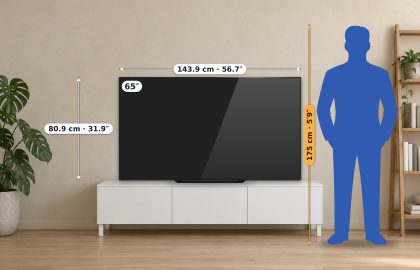
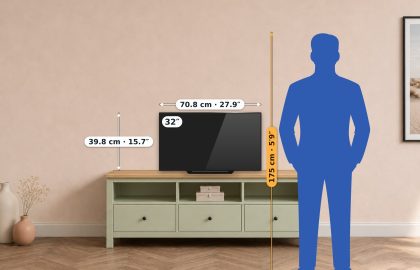
Shopping for a new TV? Let’s cut through the confusion around LG’s NanoCell and standard UHD TVs. Here’s the quick takeaway: While both offer crisp 4K resolution (3840 x 2160 pixels), NanoCell adds specialized nanoparticle filters that noticeably improve color accuracy and viewing angles. Think of it as UHD+. But with NanoCell models like the 65NANO81T6B priced at £699 compared to standard UHD options like the 60UQ81006LB (2022) at £599, is the upgrade worth it?
Beyond Resolution: The NanoCell Difference
NanoCell technology isn’t just marketing speak. Those tiny 1-nanometer particles actually filter out unwanted color wavelengths, resulting in more accurate, vibrant images. When watching content in 4K, you’ll notice richer reds, deeper blues, and more natural skin tones. Plus, that enhanced color accuracy holds up even when you’re viewing from the side of the room – a common weakness in standard UHD panels.
The Technology Stack
NanoCell TVs come equipped with LG’s a5 Gen 7 AI Processor 4K, which intelligently upscales lower-resolution content and optimizes picture quality in real-time. Standard UHD models like the 60UQ81006LB use the α5 AI Processor Gen6 – capable, but without the specialized optimization for NanoCell’s colour-enhancing features.
Where NanoCell Fits in 2024
In LG’s current lineup, NanoCell sits in an interesting spot: above their entry-level UHD models but below their premium OLED and QNED offerings. It’s positioned as a mid-range sweet spot for viewers who want better-than-basic picture quality without stepping into the four-figure price range of OLED TVs.
Want to know exactly how these differences play out in real-world viewing? Curious about which specific models offer the best value? Ready to decode features like Active HDR and local dimming? Keep reading for our detailed breakdown and hands-on comparisons…
The Real-World Performance: NanoCell vs Standard UHD
When comparing the LG NANO65 against the “normal” UHD model, several key differences emerge in daily use:
Picture Quality and HDR The NANO65’s Active HDR processing delivers more impactful HDR content with better brightness control and color mapping. Standard UHD models support HDR10 and HLG but lack the active processing that enhances dynamic range. In practical terms, you’ll notice this most in scenes with bright highlights or deep shadows.
Gaming and Motion Both TVs offer 60Hz refresh rates and similar input lag, making them suitable for casual gaming. However, the NANO65’s enhanced color accuracy gives games a more vibrant, lifelike appearance. Sports fans will appreciate how the NanoCell technology maintains clarity during fast-moving action.
Smart Features and Sound Both models run on webOS and feature LG’s ThinQ AI, offering identical smart features and voice control options. The 20W 2.0 channel audio systems are also comparable, suggesting external speakers might be worth considering for either TV.
Making the Choice
NanoCell Makes Sense If You:
- Watch movies and shows in well-lit rooms where viewing angles matter
- Value color accuracy and want more vibrant HDR performance
- Can justify the roughly £100 premium over standard UHD
Standard UHD Is Better When:
- Budget is your primary concern
- You mainly watch standard content or cable TV
- Your viewing setup is directly in front of the TV
The Investment Perspective
While NanoCell demands a higher initial investment, the technology’s benefits become more apparent with 4K HDR content from streaming services and next-gen gaming consoles. However, standard UHD TVs still deliver impressive picture quality that surpasses older 1080p displays.
The key is matching your choice to your viewing habits and room setup. If you’re upgrading from an older TV, either option will impress. The question is whether NanoCell’s enhanced color accuracy and viewing angles justify the premium for your specific situation.
Room Setup and Viewing Experience
Optimal Viewing Distance
- NanoCell: More flexible due to wider viewing angles and consistent colors
- Standard UHD: Best experienced straight-on, 6-8 feet away for 65″ models
Lighting Considerations
NanoCell displays maintain better color saturation in bright rooms, making them ideal for:
- Living rooms with large windows
- Open-concept spaces
- Rooms with multiple seating arrangements
Future-Proofing Your Purchase
Content Compatibility Both technologies support:
- 4K streaming services (Netflix, Disney+, Prime)
- Next-gen gaming consoles
- HDR content
NanoCell’s advantage becomes more apparent with:
- Growing 4K HDR content libraries
- Advanced gaming features
- Multiple viewing positions
Cost-Value Analysis
Initial Purchase:
- NanoCell 65″ (NANO65): £699
- Standard UHD 65″ (UR9000): £599
- Price difference: £100
Long-term value factors:
- 5-year lifespan average
- Daily usage hours
- Content consumption habits
Final Verdict
For most users, the choice comes down to:
Standard UHD if: Budget is tight and straight-on viewing is typical. Perfect for bedrooms, smaller spaces.
NanoCell if: The room setup demands flexibility, you consume lots of 4K content, or color accuracy is priority. Ideal for main living spaces.
Remember: Your viewing habits and room environment matter more than specs alone. Test both in-store if possible before deciding.